
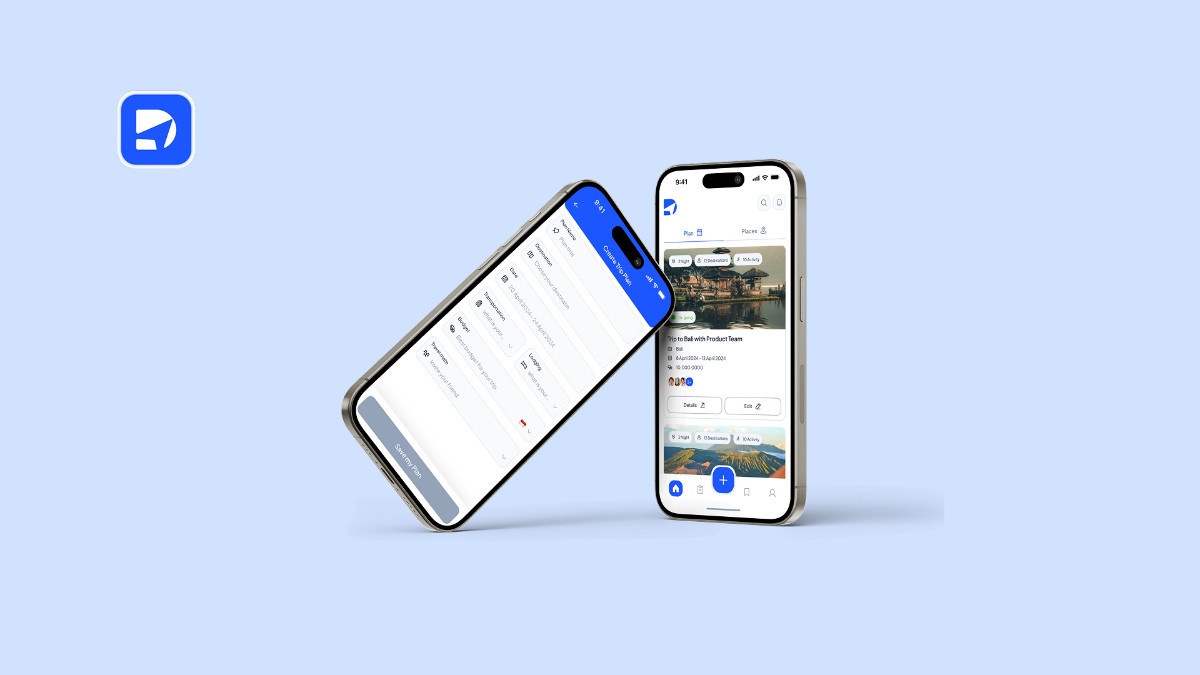
Traveling is an activity many people enjoy for leisure, work, family visits, and adventure but behind every memorable trip is a lot of planning. From choosing destinations and mapping itineraries to managing expenses, planning can quickly become complex and overwhelming, especially for longer trips. In this case study, I designed Dolanku, a mobile smart travel planner that helps users create structured travel plans, manage budgets, and organize itineraries more efficiently and enjoyably. This project walks through my end‑to‑end process from discovery and research to ideation, design, and reflection.
Before starting, I made one core assumption: people who travel especially for longer or more complex trips will usually create some kind of plan to avoid unwanted issues and ensure a smoother journey. However, my research showed that how they plan, and what they prioritize, varies a lot.
Through a user survey (21 respondents, mostly 25–35 years old, living around Greater Jakarta and Malang), I found several key insights:
- Most respondents identified as travelers, but many only travel during certain seasons, such as annual leave or national holidays.
- 76.2% prefer to plan trips by themselves rather than relying on travel agencies or platforms. They value flexibility, control, and the ability to adjust plans as they go.
- Budgeting emerged as the top priority in trip planning (52.4%), followed by flexibility and itinerary. Users want to avoid running out of money mid‑trip and want to ensure their spending aligns with expectations.
Qualitative answers reinforced this: users repeatedly mentioned “budget,” “flexibility,” “manage everything by myself,” and “saving cost” as their main concerns. At the same time, many still rely on manual methods notes, spreadsheets, chat apps—because existing tools either feel too rigid, lack budgeting features, or require too much manual setup.
Competitor analysis of tools like Notion, Wanderlog, TripIt, Tripsy, and Stippl revealed gaps:
- Some tools are flexible but require heavy manual setup.
- Some excel at itinerary organization but offer no budgeting support.
- Budgeting features, when available, are often basic, not tailored for trip‑specific needs, or not integrated tightly with itinerary planning.
From these findings, the core challenge became clear:
How might we design a mobile app that helps travelers easily plan flexible trips while keeping their budget under control and their itinerary well‑organized?
Dolanku is my design response to this challenge, focusing on two main pillars: travel budgeting and itinerary planning, supported by tracking/monitoring and collaboration features.
Discover
I surveyed 21 travelers and analyzed tools like Notion, Wanderlog, TripIt, Tripsy, and Stippl to understand how people plan trips today. The key insight: most users prefer self‑planning, and their biggest pain points are budgeting and keeping a flexible, organized itinerary.
Define & Ideation
From the findings, I defined the main problem as helping self‑planners manage budget and itinerary in one place. I then ideated core features: create a travel plan, set and track budgets, build itineraries, monitor progress, collaborate with friends, and keep everything easily accessible during the trip.
Wireframe
I created low‑fidelity wireframes to map the user flow from starting a trip, setting budgets, and adding activities to tracking expenses. This helped validate the structure and ensure budgeting and itinerary are closely connected before moving to visual design.
Design
I built a simple, modern UI based on a style guide and turned the wireframes into high‑fidelity screens. The final Dolanku design focuses on making trip planning, budgeting, and tracking feel clear and friendly for mobile users.
Dolanku resulted in a mobile app concept that guides users through creating a structured travel plan: setting an overall trip budget, breaking it down into categories (transport, accommodation, food, activities, etc.), and then connecting those budgets directly to their day‑by‑day itinerary. Users can track what has been spent versus what was planned, adjust activities on the go, and keep the trip flexible without losing financial control.
Through this project, I learned several important things:
- Budget and flexibility must coexist. Users don’t want to sacrifice spontaneity for control. Designing Dolanku forced me to think about how budgeting can feel like an enabler (helping decisions) rather than a restriction (limiting fun).
- Self‑planning is emotional, not just functional. Many respondents enjoy the act of planning because it gives them ownership and excitement before the trip. The product needs to support this feeling, not just “optimize” it.
- Integration beats features. Budgeting and itineraries already exist in many tools, but they are often disconnected. The real value appears when these elements work together in a single, coherent flow.
- Personas and surveys keep decisions grounded. Defining two personas based on survey data helped me prioritize features and avoid designing only for edge cases or my own travel habits.
If I iterate further on Dolanku, I would like to validate the concept with usability testing, refine the budgeting flows for different travel styles (solo, group, family), and explore deeper collaboration features so friends can co‑plan and track shared expenses more seamlessly.